Nigeria’s Ports Get a Statutory Economic Regulator After Two Decade
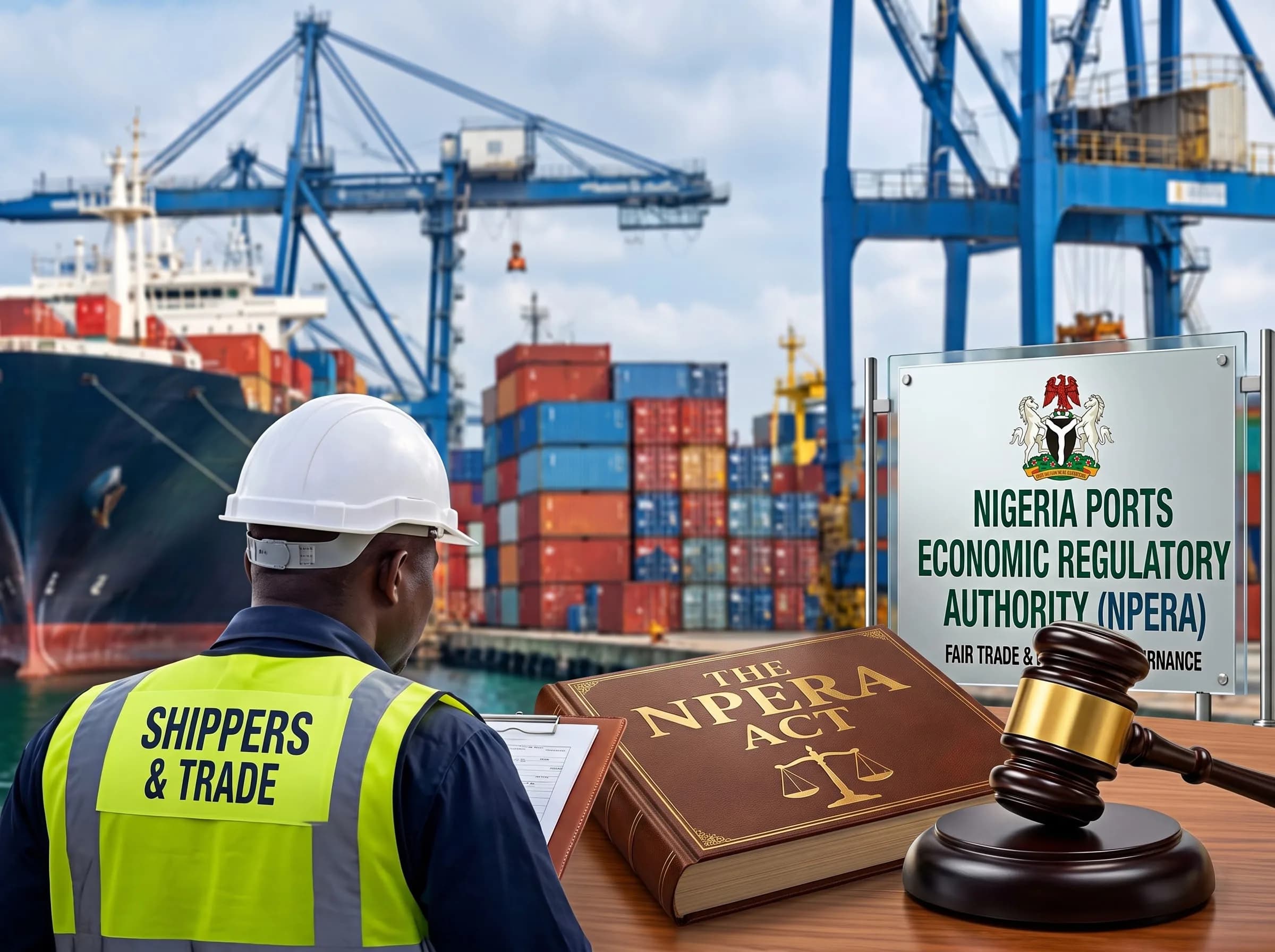
Nigeria’s ports now have a dedicated economic regulator. President Bola Tinubu has assented to the Nigeria Ports Economic Regulatory Agency Act, 2026, establishing NPERA as the statutory authority responsible for the economic regulation of the country’s ports. The assent was announced in August by Dr Pius Akutah, Executive Secretary of the Nigerian Shippers’ Council.
It ends an arrangement that has been provisional for more than a decade.
How Nigeria got here
Nigeria concessioned its ports in 2006. Terminal operations passed to private concessionaires while the state retained the land and the landlord function. What was not established at the same time was an economic regulator — a body to determine whether charges levied on port users were fair, whether service standards were being met, and what remedy a shipper had when they were not.
In 2014 the Federal Government designated the Nigerian Shippers’ Council as interim economic regulator by policy directive. The Council could mediate, convene and publicise, but it operated without a statute behind it. Successive administrations acknowledged that a substantive law was needed. The NPERA Act is that law.
What the new agency is to do
On the accounts published so far, NPERA’s remit covers port tariffs, rates and charges; the licensing of port service providers; service standards; competition; the resolution of commercial disputes; trade facilitation; and the protection of port users.
Maritime commentators have focused on enforcement. The distinction between a body that can recommend and one that can make a binding determination is the central difference between the interim arrangement and the new one. A shipper contesting a demurrage charge or a terminal levy would, under a statutory regime, have a forum whose decisions carry legal force.
The full text of the Act is not yet in general circulation, so its commencement provisions, the precise scope of its enforcement powers and its appeal routes are not yet matters of public record.
A long passage through the National Assembly
The legislation took several years to complete. Both chambers passed a version in late 2025. Assent was withheld, reportedly over conflicts with the Tax Administration Act, 2025. The National Assembly reworked the provisions and passed a harmonised version in April 2026, which received assent in August.
Earlier drafts had also drawn objections from stakeholders and agencies concerned about duplication of functions with the Nigerian Ports Authority and the Nigerian Maritime Administration and Safety Agency. Clearing agents and industry groups pressed for clearer delineation of responsibilities between the three bodies.
The Shippers’ Council transitions
The Nigerian Shippers’ Council is not being wound up separately from the new agency. It is being transformed into it.
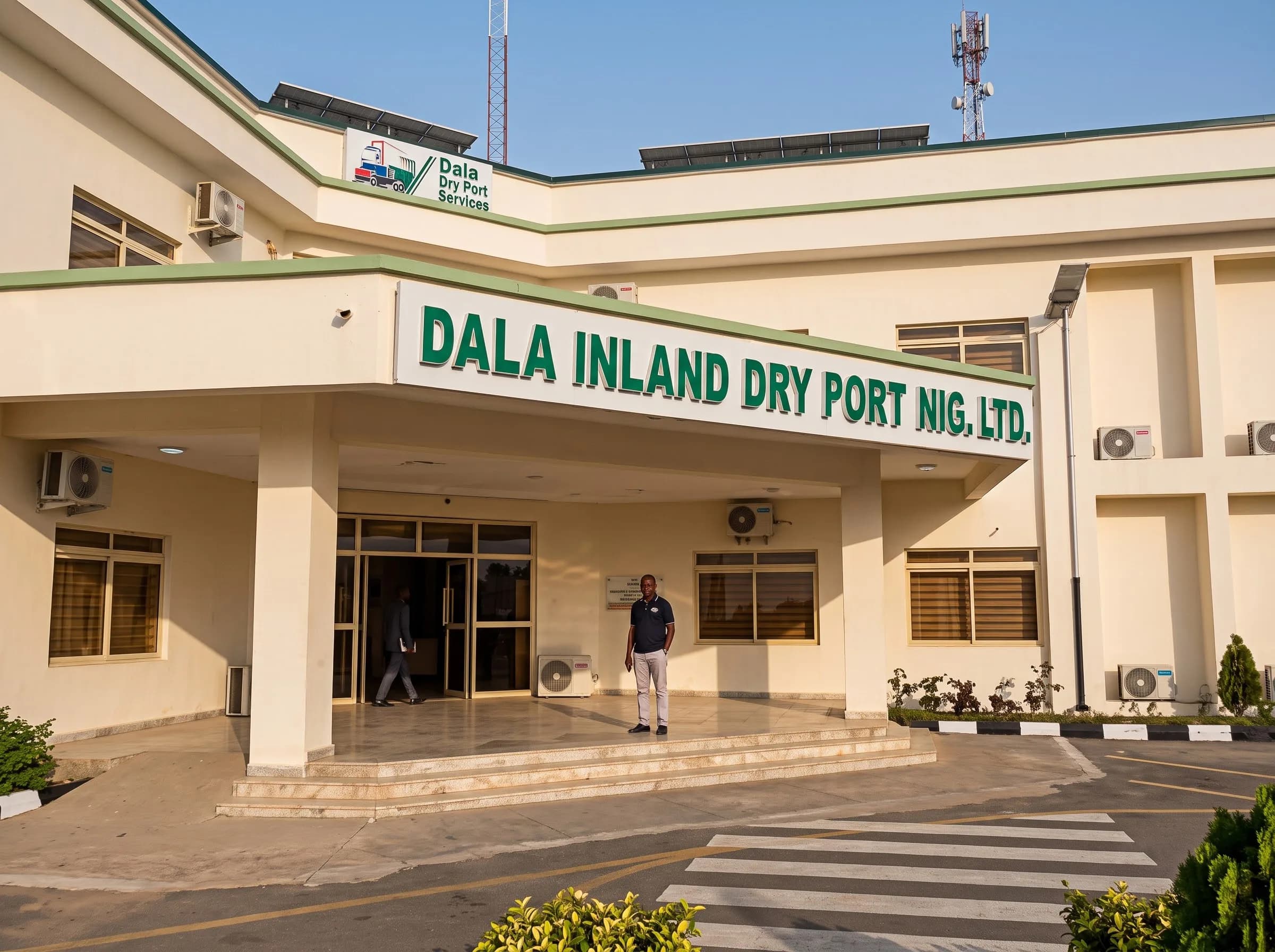
On 4 September, the Minister of Marine and Blue Economy, Dr Adegboyega Oyetola, directed the immediate constitution of a ministerial committee to oversee the transition of the Council into NPERA. In the same directive he ordered the transfer of the Council’s inland dry port functions to the Nigerian Ports Authority.
The Minister framed the transfer as establishing a clear separation between port economic regulation on one side and port development and operations on the other, so that agencies under the Ministry operate within defined mandates. He said the committee would provide oversight to ensure the transition was seamless and that every function was domiciled in the appropriate institution.
What comes next
Several matters will determine how quickly the new regime becomes usable for port users: publication of the gazetted Act, a clear statement of which entities NPERA regulates, the procedure by which a shipper brings a complaint, and the date from which the agency’s powers are exercisable.
The sector will not lack for early cases. In August, stakeholders at Onne Port in Rivers State threatened to shut down operations over deplorable roads, inadequate infrastructure and what they described as arbitrary charges — the type of grievance an economic regulator exists to determine.
Nigeria has debated the cost of doing business at its ports for twenty years without a statutory body empowered to settle the question. That body now exists. How it operates in practice will be the subject of NTMR’s continuing coverage.
NTMR will report further on NPERA’s powers and procedures. Shippers, agents, terminal operators and regulators are invited to share their perspective. Write to editor@nt-mr.com.